
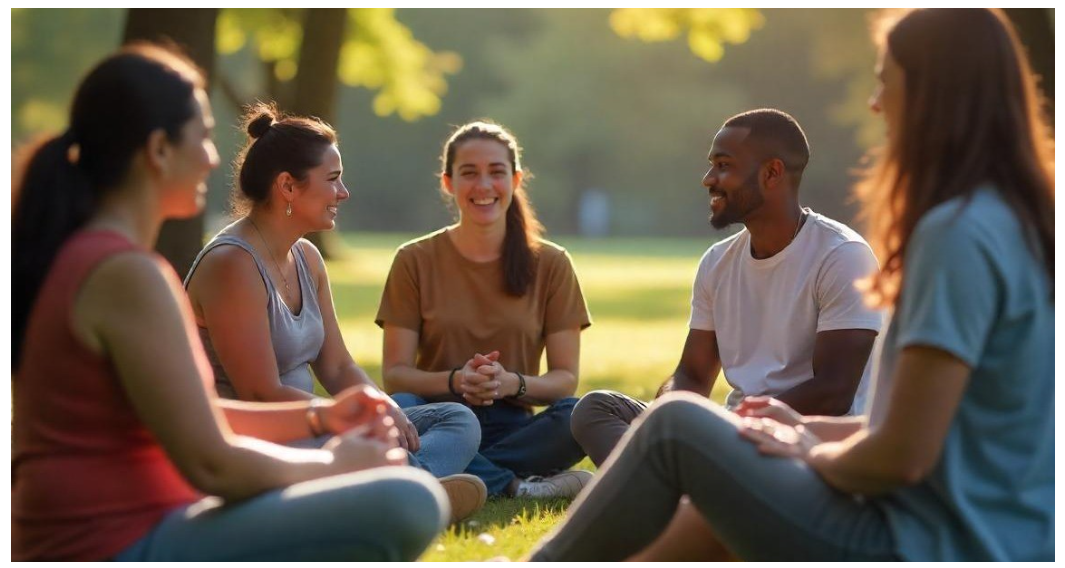
The Role of Community and Connection in Overcoming Depression
How important is the role of community and connection in overcoming depression do you think? Depression is often described as a heavy fog that clouds one’s mind and it thrives in isolation. But, from working with clients I’ve noticed that within the fabric of our shared humanity lies a powerful antidote to depression: connection. As a mind coach and hypnotherapist, I’ve witnessed the transformative impact of community on mental health and I’ve found that working with groups can greatly relieve the symptoms of depression. Let’s delve into why community and connection are essential in overcoming depression and how we can harness these elements to help us heal.
The Invisible Thread: Connection and Mental Health
Human beings are wired for connection. From our earliest days, we rely on relationships for survival, comfort, and a sense of belonging. Depression often severs this thread, creating a cycle of withdrawal and loneliness that deepens its grip. Rebuilding this connection, whether through friends, family, or supportive communities, can act as a lifeline, offering hope and purpose.
Studies show that social support not only reduces the severity of depressive symptoms but also improves resilience, the ability to bounce back from life’s challenges. Connection creates a safe space where individuals can express emotions, share burdens, and experience empathy, a key factor in alleviating feelings of isolation.
The Healing Power of Community
Community offers more than just companionship; it provides a sense of identity and shared purpose. Being part of something larger than oneself can foster a renewed perspective and a sense of significance. Here’s how communities can play a pivotal role in overcoming depression:
- Validation and Understanding: In the company of others who share similar struggles, individuals often feel understood and less alone. Support groups, whether in person or virtual, create environments where people can speak openly without fear of judgement.
- Structure and Routine: Many community-based initiatives, such as hobby clubs, volunteer groups, or fitness classes, offer structure and a gentle nudge to get out of bed and engage with life again.
- The Ripple Effect of Positivity: Being surrounded by positive influences can inspire hope. Witnessing others’ stories of triumph over adversity reinforces the belief that recovery is possible.
Fostering Connection: Practical Steps
If you or someone you care about is navigating depression, here are ways to embrace the healing power of connection:
- Start Small: Reaching out to one trusted friend or joining a small group can be a manageable first step. Connection doesn’t need to be overwhelming to be effective.
- Lean Into Shared Interests: Engaging in activities that bring joy, art, music, and sports naturally fosters organic connections with like-minded individuals.
- Seek Professional-Led Communities: Joining groups facilitated by mental health professionals or coaches ensures a safe and guided space for healing.
- Practice Vulnerability: Opening up, even about small challenges, creates space for authentic connections. Vulnerability, while intimidating, is the bridge to deep, meaningful relationships.
Beyond Connection: The Mind-Body Synergy
As a hypnotherapist, I often integrate connection-focused interventions with practices that address subconscious patterns. Hypnosis, for example, can help release deep-seated fears of rejection or unworthiness that may hinder connection. Pairing mental rewiring with external social support creates a holistic approach to recovery, amplifying its effectiveness.
Building Bridges to a Brighter Tomorrow
Depression tells us that we are alone in our struggle, but the truth is that no one heals in isolation. Community reminds us that we are seen, heard, and valued. It’s not always easy to seek connection when depression whispers otherwise, but the effort is worth it.
If you’re struggling, let this be your call to reach out. Whether through a heartfelt conversation, joining a local group, or seeking professional support.
For a Free Consultation click here.
0 Comments